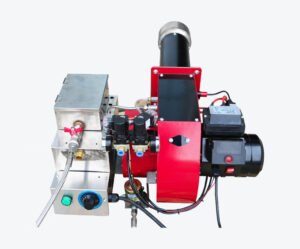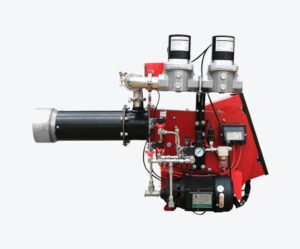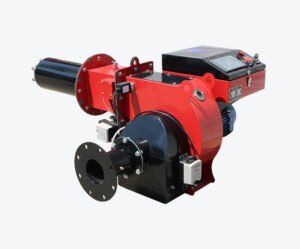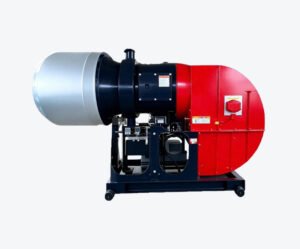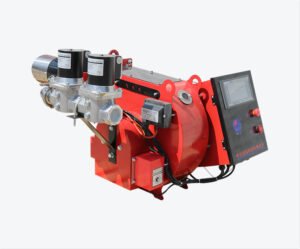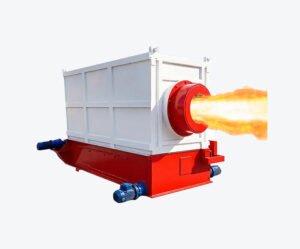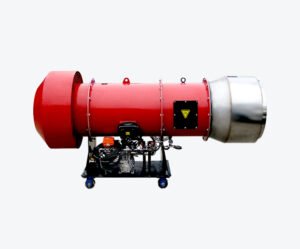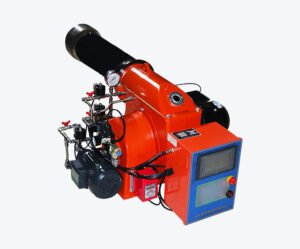
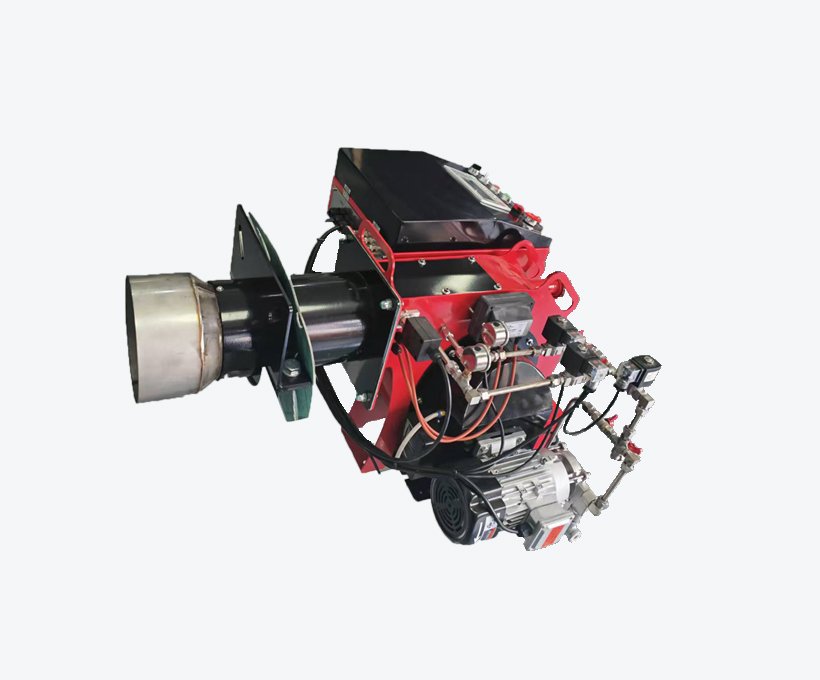
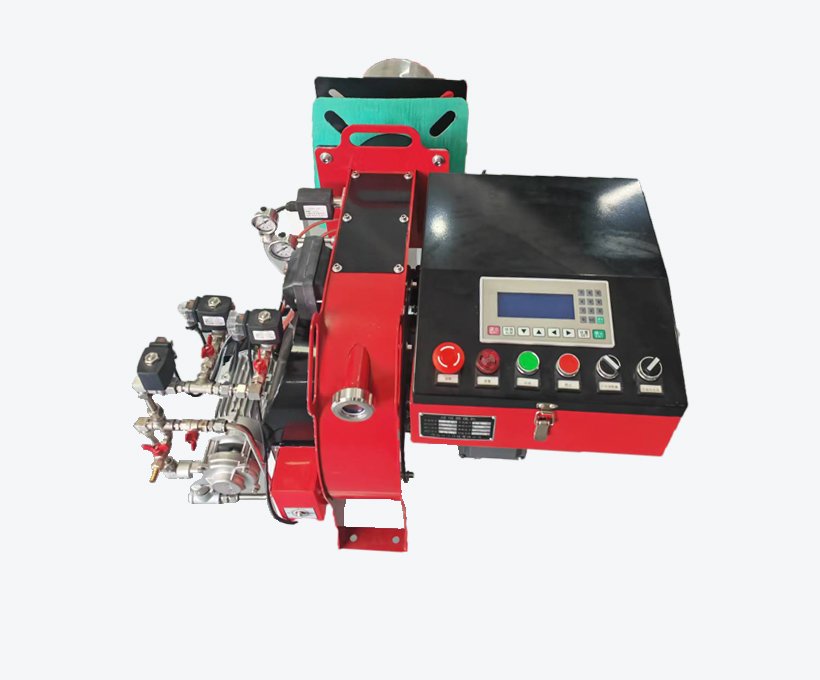
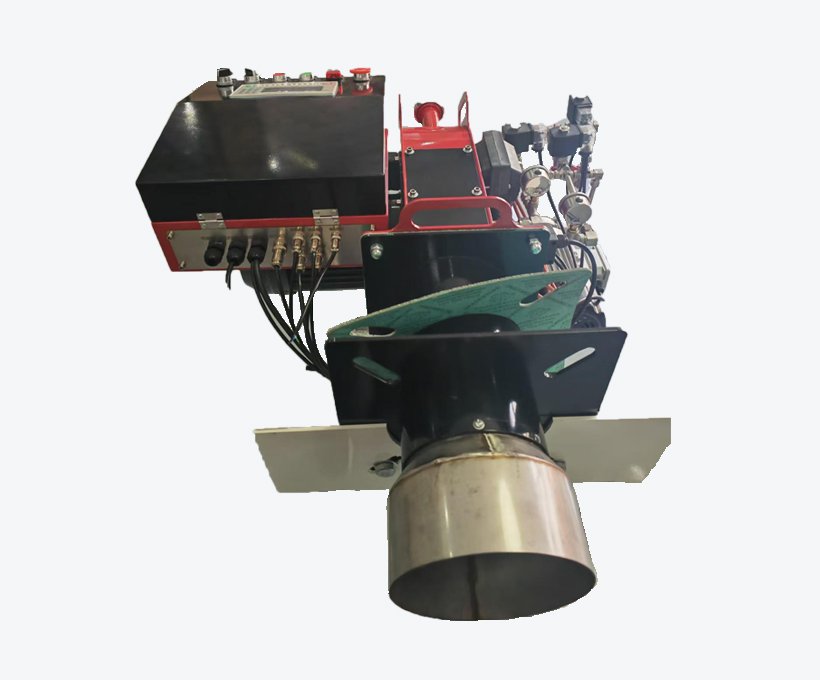
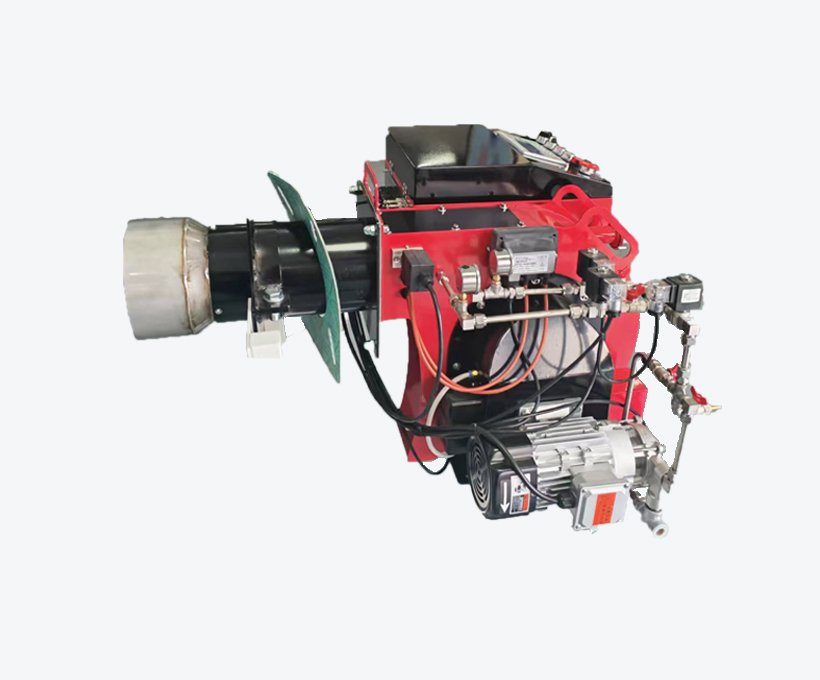
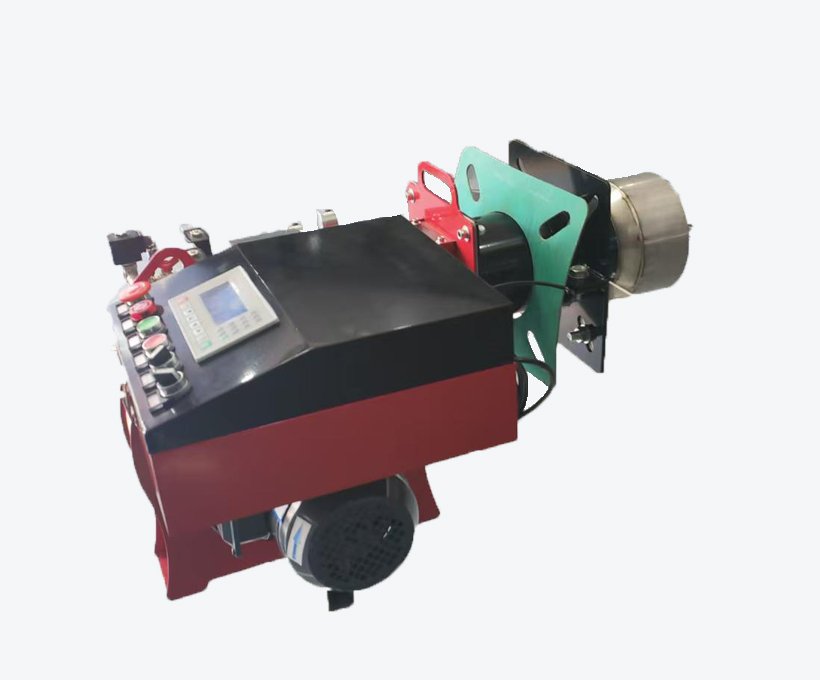


The Feature of Diesel Light Oil Burners
1. Light oil burner.
2. Two-stage siding/modulating working.
Why do we use light oil burner ?
Light oil burners are commonly used in various industries and applications such as in heating systems, boilers, furnaces, and even in cooking. The primary reason why we use light oil burners lies in their efficiency and convenience.
Firstly, light oil burners are efficient in terms of fuel consumption. They are designed to burn light oil, which is a highly refined petroleum product, producing low emissions and high thermal efficiency. This means that they can generate a considerable amount of heat with minimal waste, which translates to lower fuel costs and reduced carbon footprint.
Secondly, light oil burners are easy to install and maintain. They come in compact designs that are straightforward to mount and operate, making them ideal for various applications. They require minimal maintenance, which reduces the chances of downtime and increases their lifespan significantly.
Thirdly, light oil burners are versatile and adaptable, making them suitable for different types of environments and fuel sources. They can burn various types of light oils, including diesel, kerosene, and biodiesel, depending on their specifications. They can also be configured to operate on different types of fuels, such as natural gas and propane, with the right accessories.
In conclusion, light oil burners have numerous advantages that make them an excellent choice for various applications. Their efficiency, convenience, and versatility are some of the reasons why they are widely used in various industries, and they continue to play a crucial role in meeting our heating and energy needs.
How to use a light oil burner
A light oil burner is a useful tool for heating and cooking. It can run on various types of light oils such as kerosene, diesel, and heating oil. Operating a light oil burner is easy and safe if you follow these simple steps.
1. Check the fuel tank: Before starting the burner, ensure that the fuel tank is filled with sufficient oil. You should always use clean and fresh oil for better performance.
2. Turn on the burner: To turn on the burner, first, turn on the ignition switch. Then, press the reset button (if present) and hold it for a few seconds until the green light appears. Next, turn the temperature control knob to the desired temperature level. The temperature control knob regulates the amount of fuel that is pumped into the burner, thus controlling the heat output.
3. Adjust the flame: Once the burner is lit, you can adjust the flame height by turning the air inflow control knob. The air inflow control knob controls the amount of air that mixes with the fuel, determining the flame intensity and color.
4. Monitor the burner: Keep an eye on the flame while the burner is operating. If the flame appears yellow or smoky, it indicates a poor fuel-air mixture, and you need to adjust the air inflow control knob.
5. Turn off the burner: To turn off the burner, first, turn off the temperature control knob. Then, press the reset button (if present) and hold it for a few seconds until the red light appears. Finally, turn off the ignition switch.
In conclusion, using a light oil burner is easy and safe if you follow these simple steps. Always use clean and fresh oil, monitor the flame, and adjust the settings as needed. With proper use and maintenance, a light oil burner can provide efficient heating and cooking solutions for years to come
Application of Diesel Light Oil Burners
Light oll burer can be used in Steam boiler. hot water boiler, incinerator, cremation furnace, food. spraying. electroplating. baking pant
drying, ceramics, glass, asphalt industry, etc.